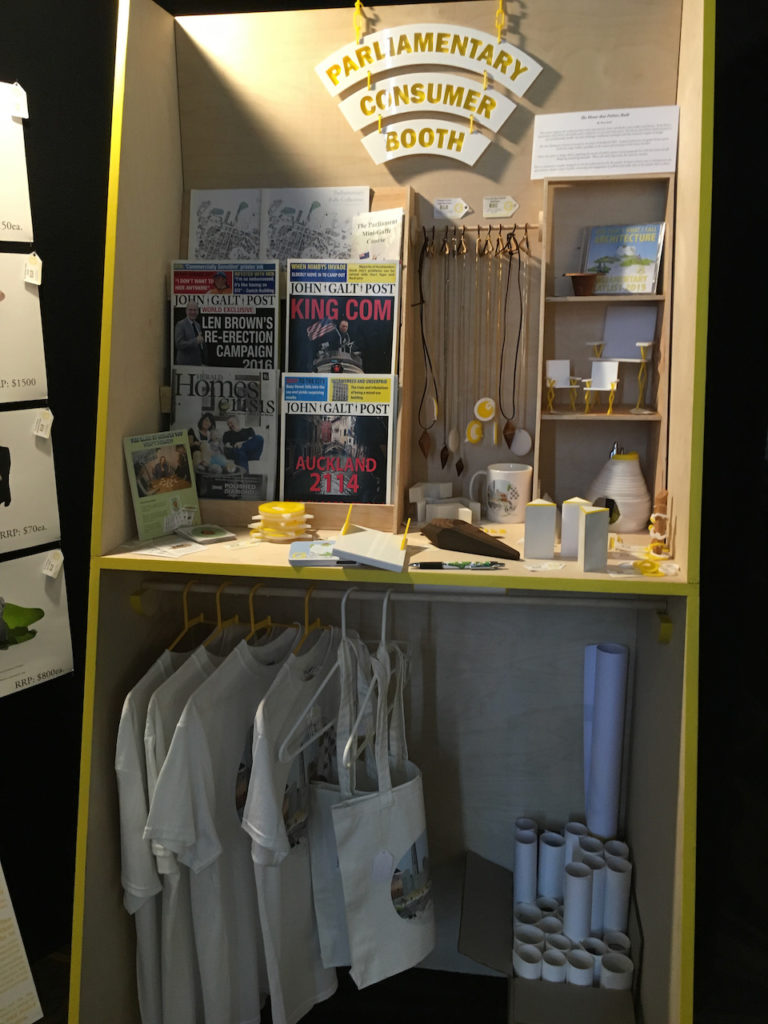
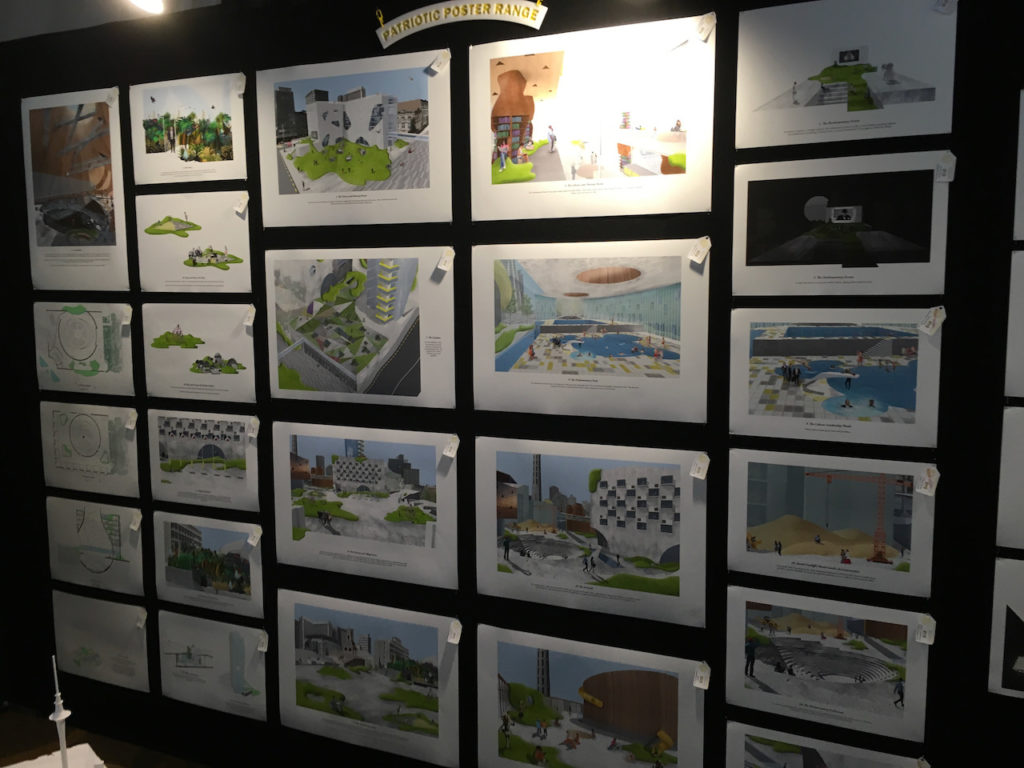
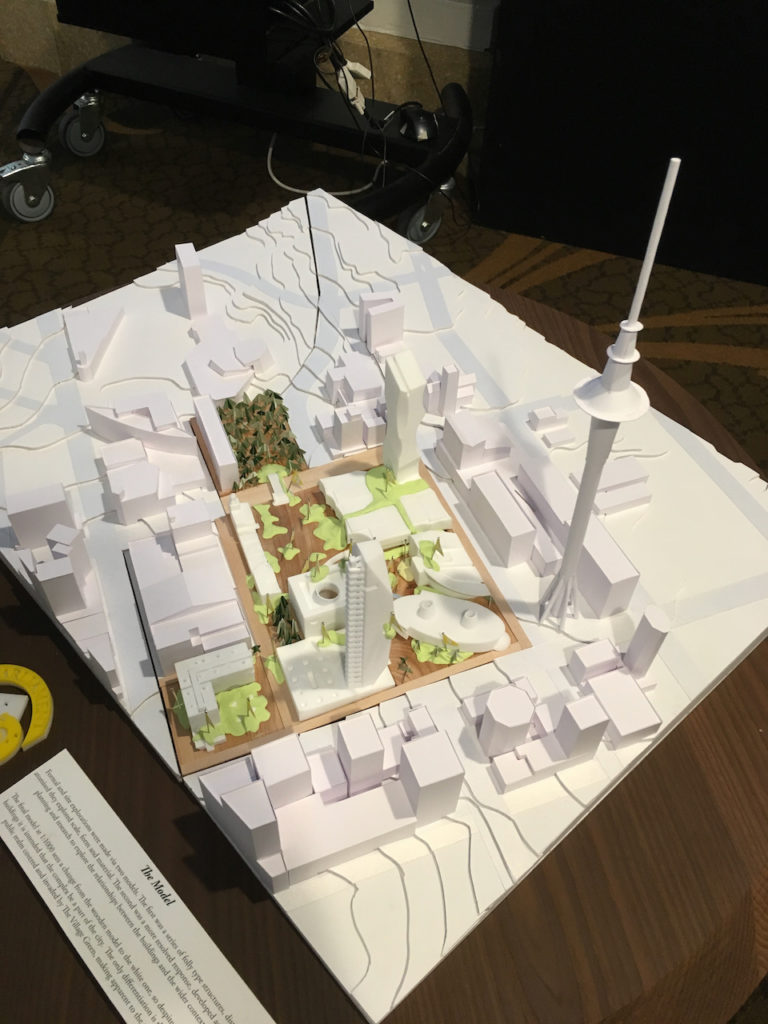
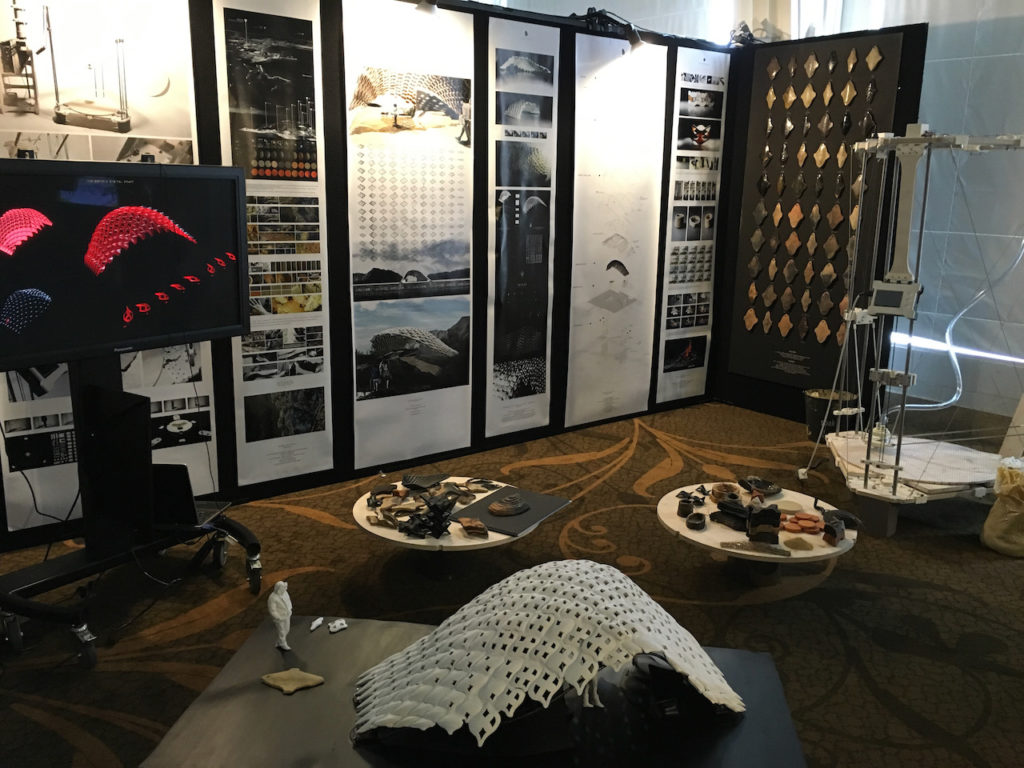
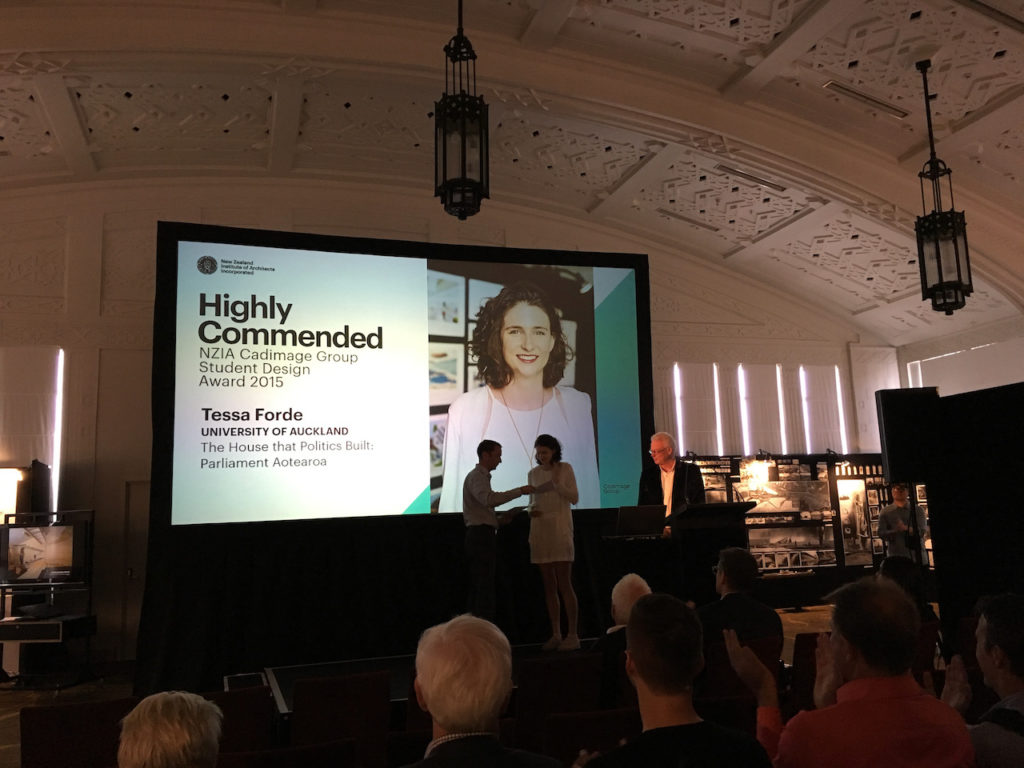
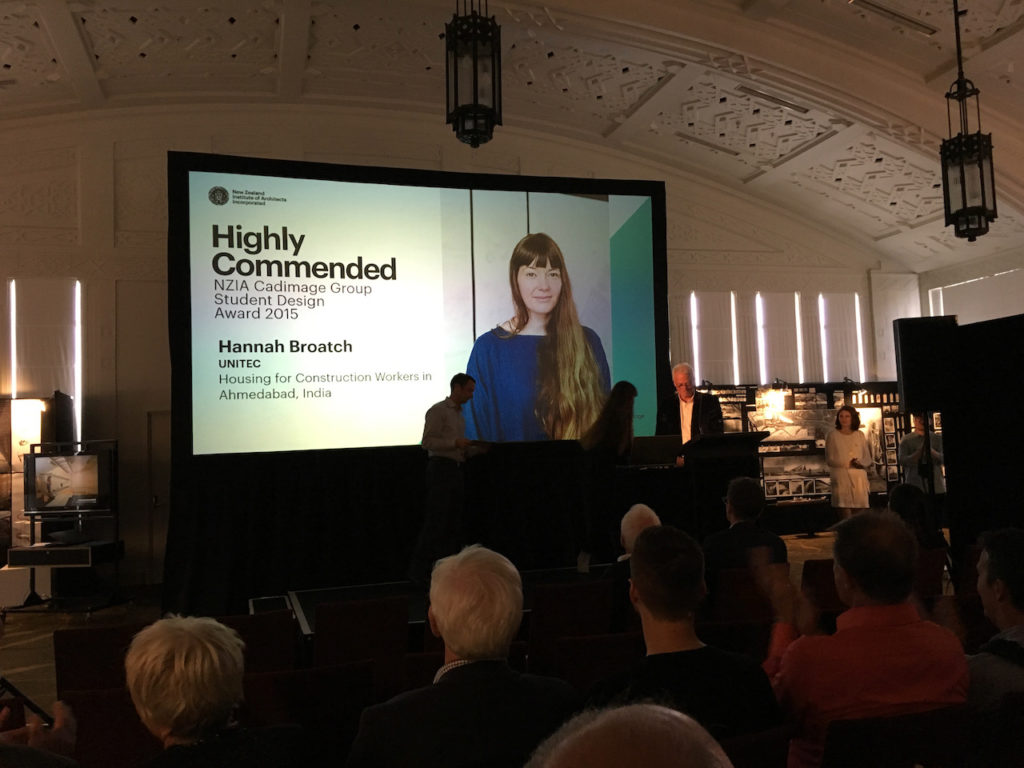
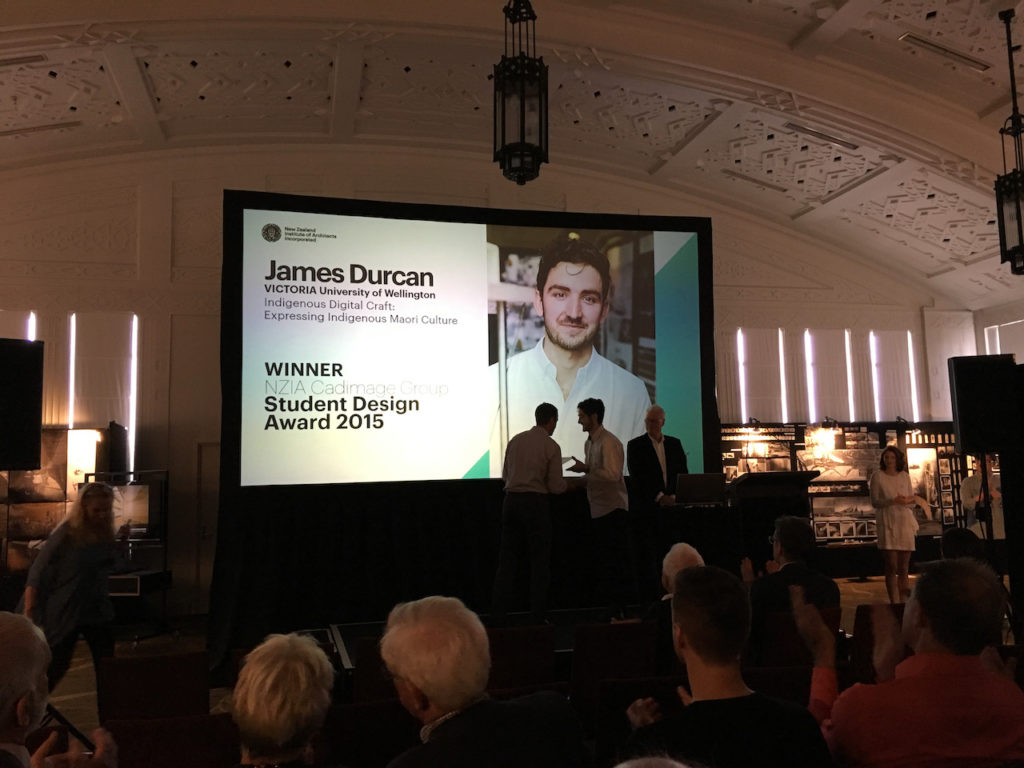
It’s been a busy year which is why posts have been few and far between. But as the year slips away we get to that time where I hit the road for the NZIA Graphisoft Student Design Awards. Two weeks ago I was in Wellington for the Victoria School of Architecture Awards and last night was Unitec’s turn.
Wednesday night however was the major event where we celebrated the work of the top 12 fifth year students across the three schools of architecture. The quality of work on display continually improves and astounds all involved.
This year I had the great privilege of awarding the top prize to Arnika Blount from Unitec – the first time Unitec have picked up the top award during our five year involvement with these awards.
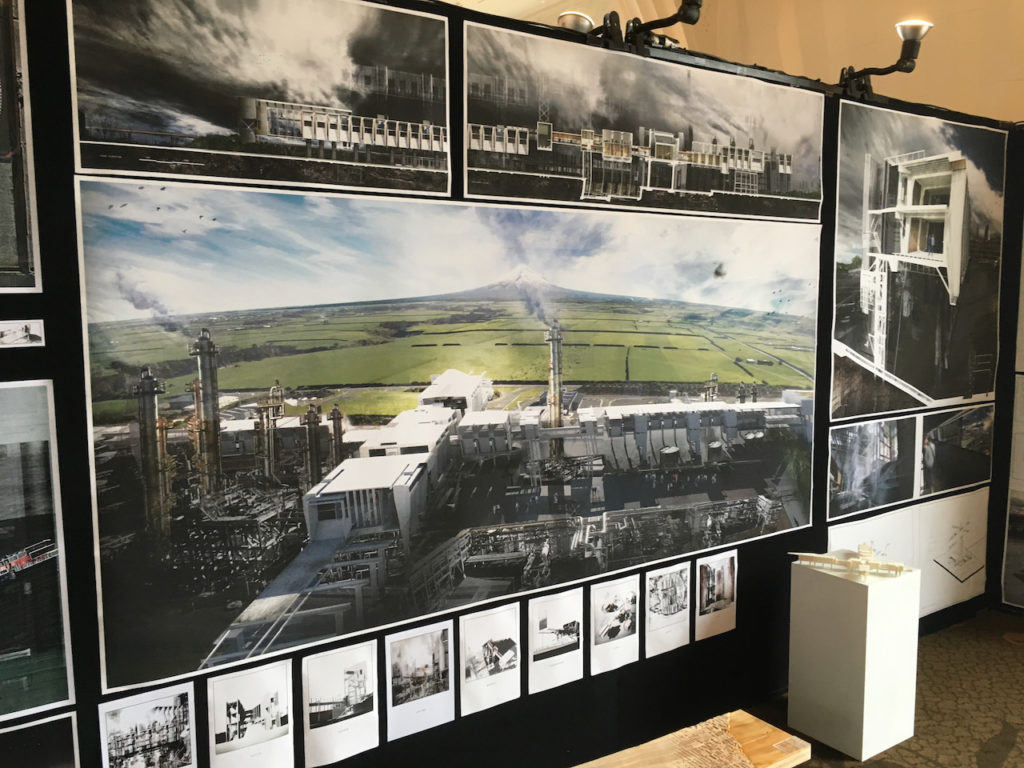
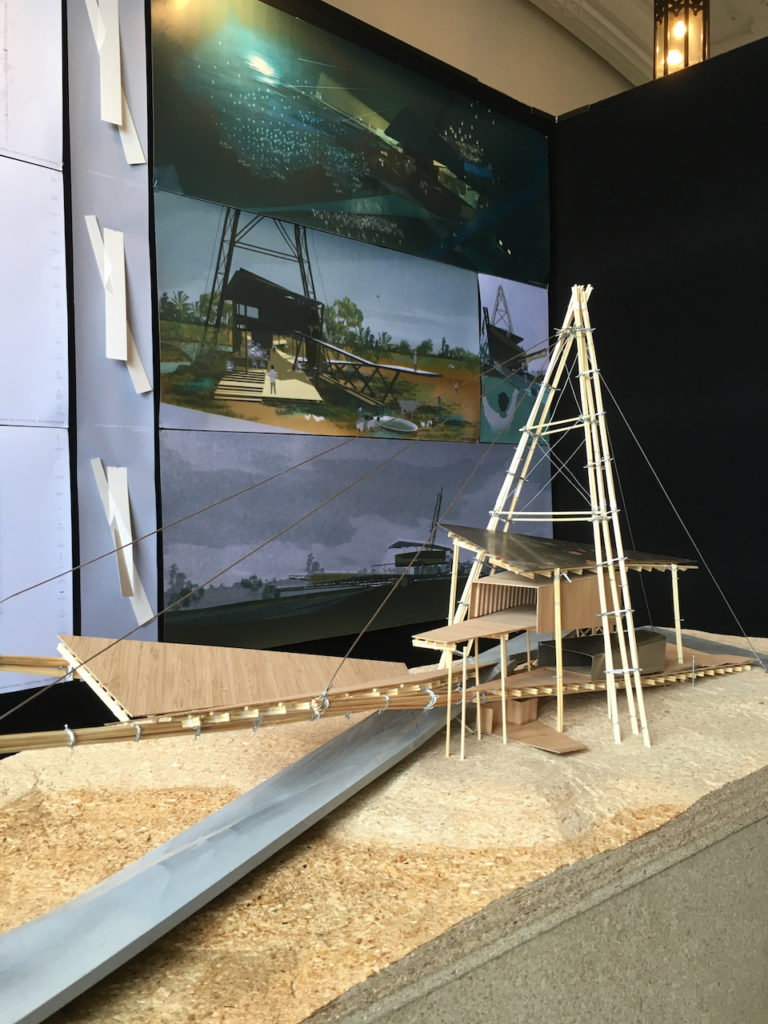
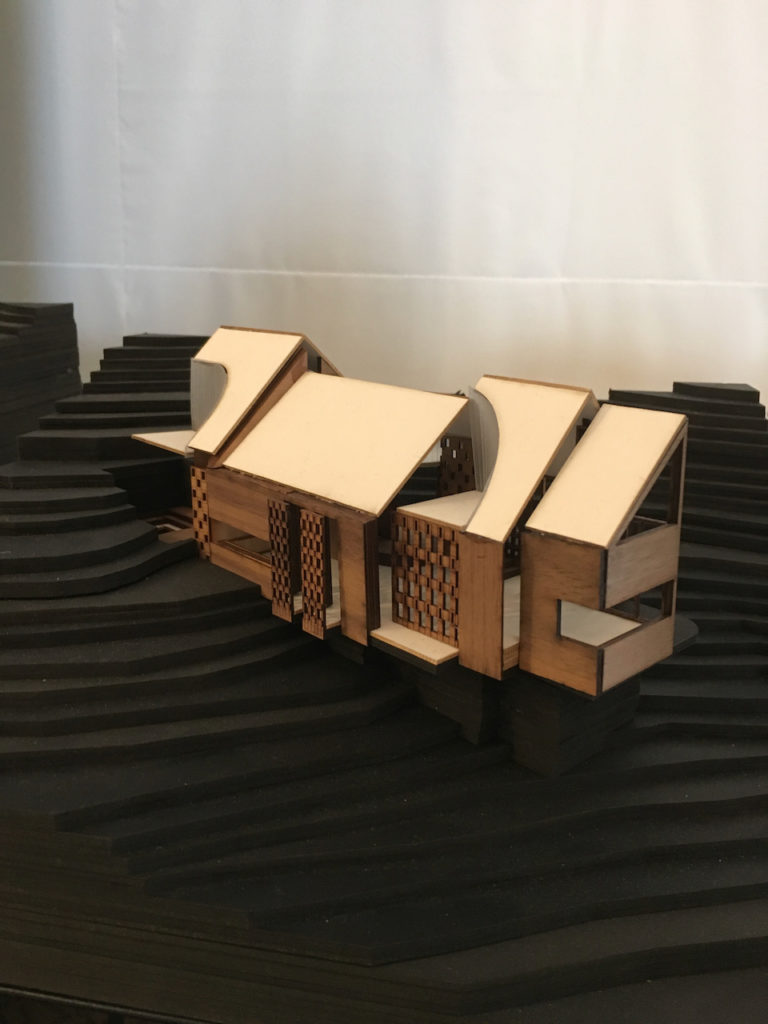
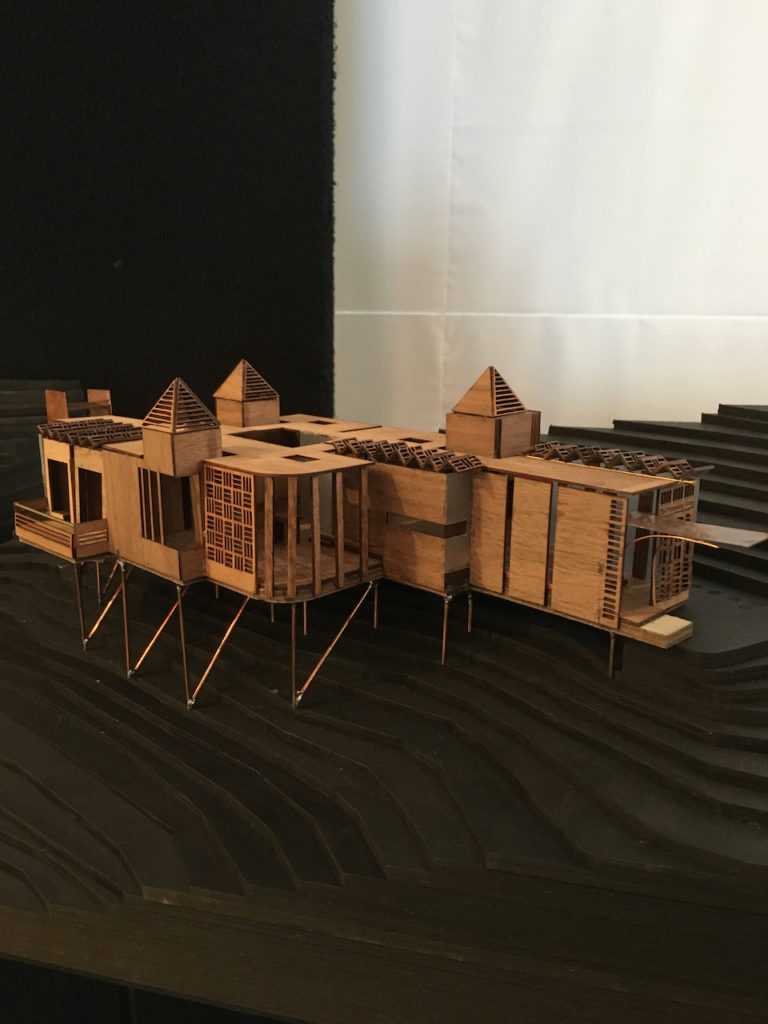
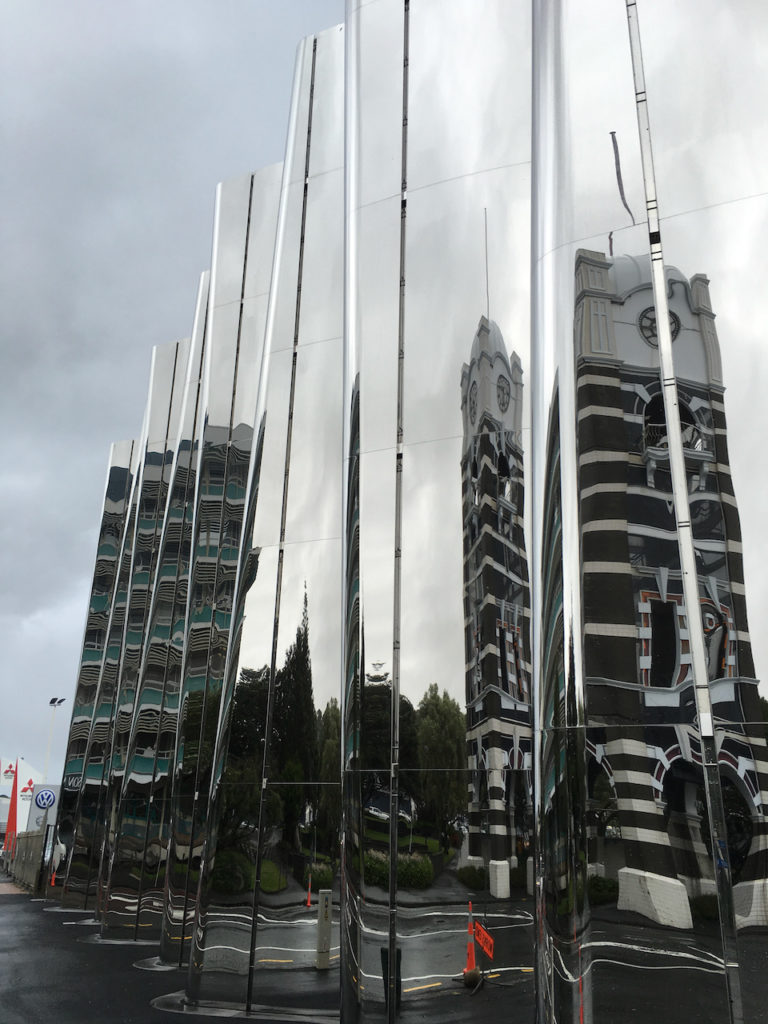
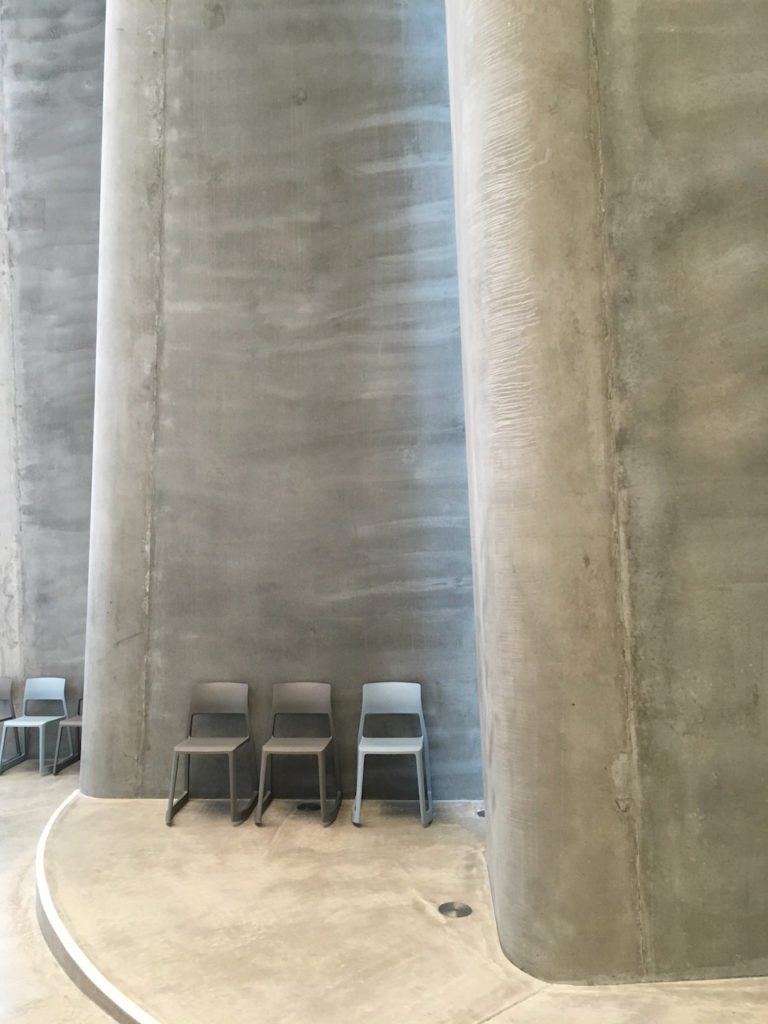
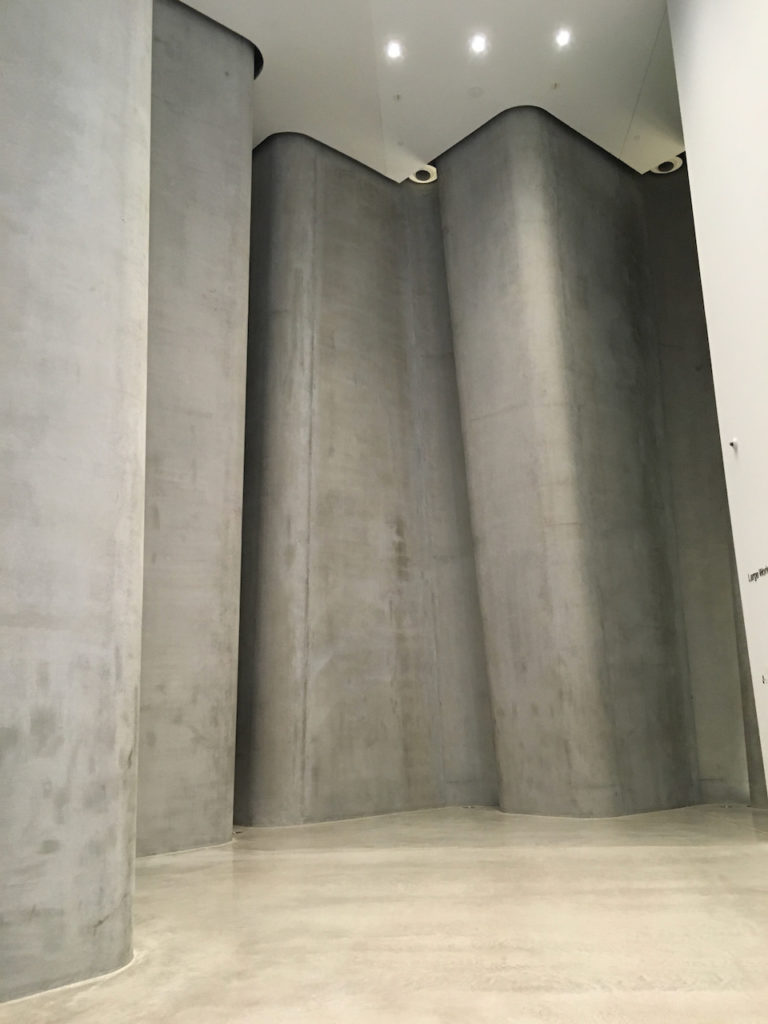
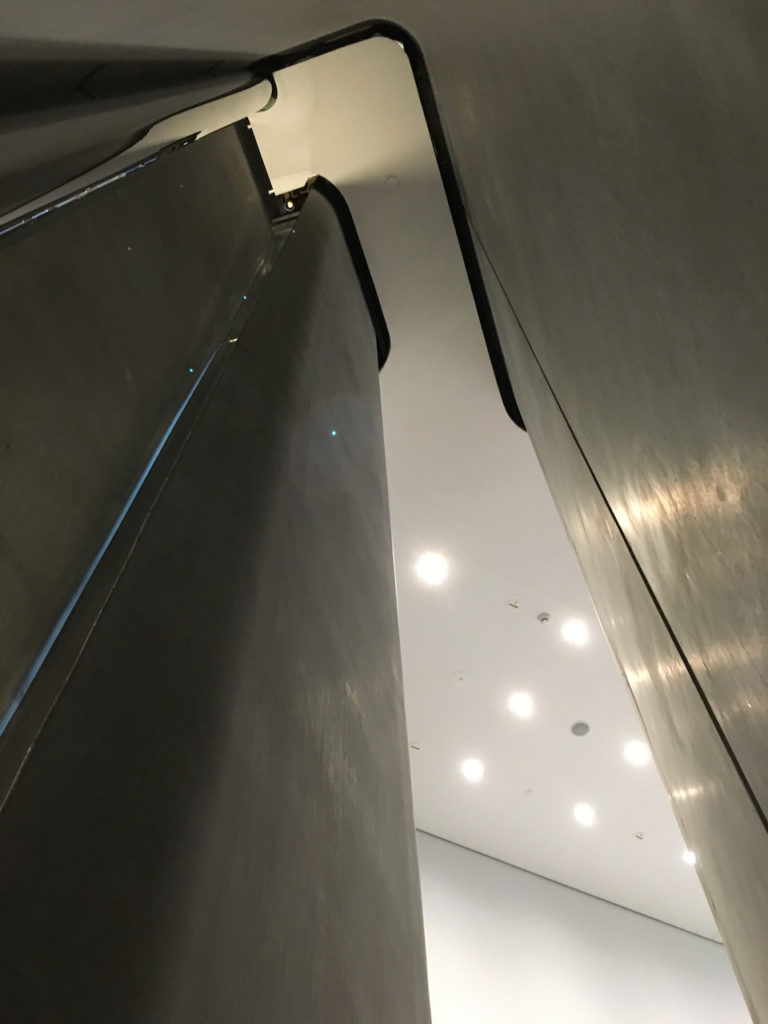
The jury citations for Arnika along with the two highly commended students are below the photos of Arnika’s project.
Winner
Arnika Blount Unitec Department of Architecture
Project: Wunderkammer
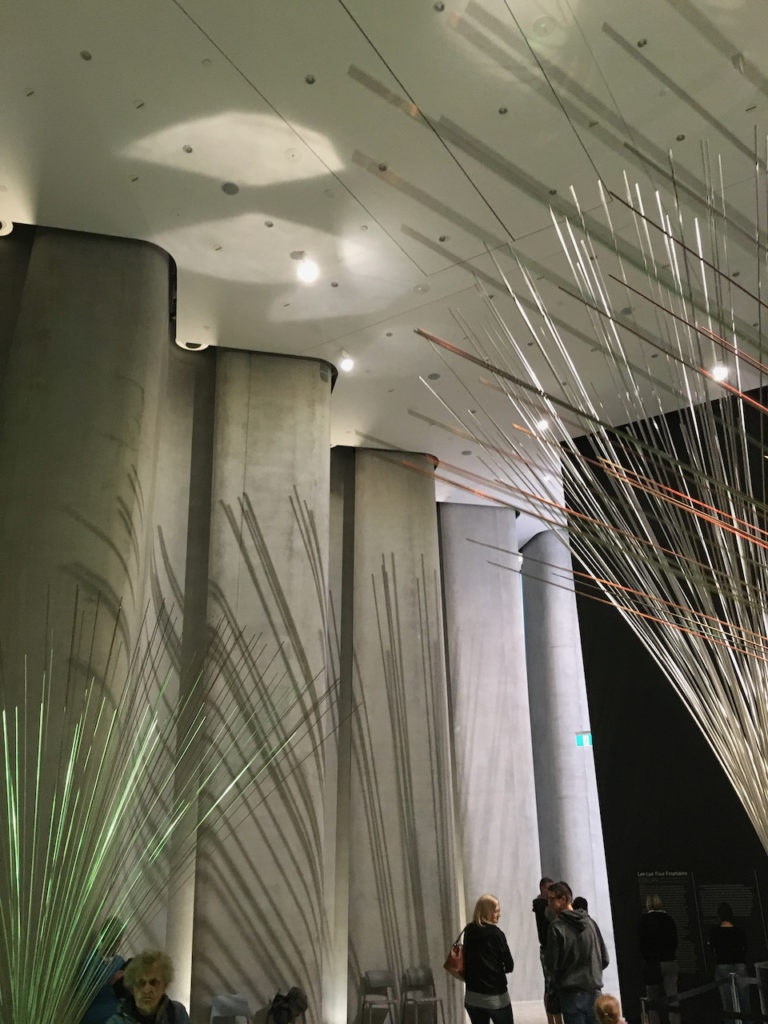
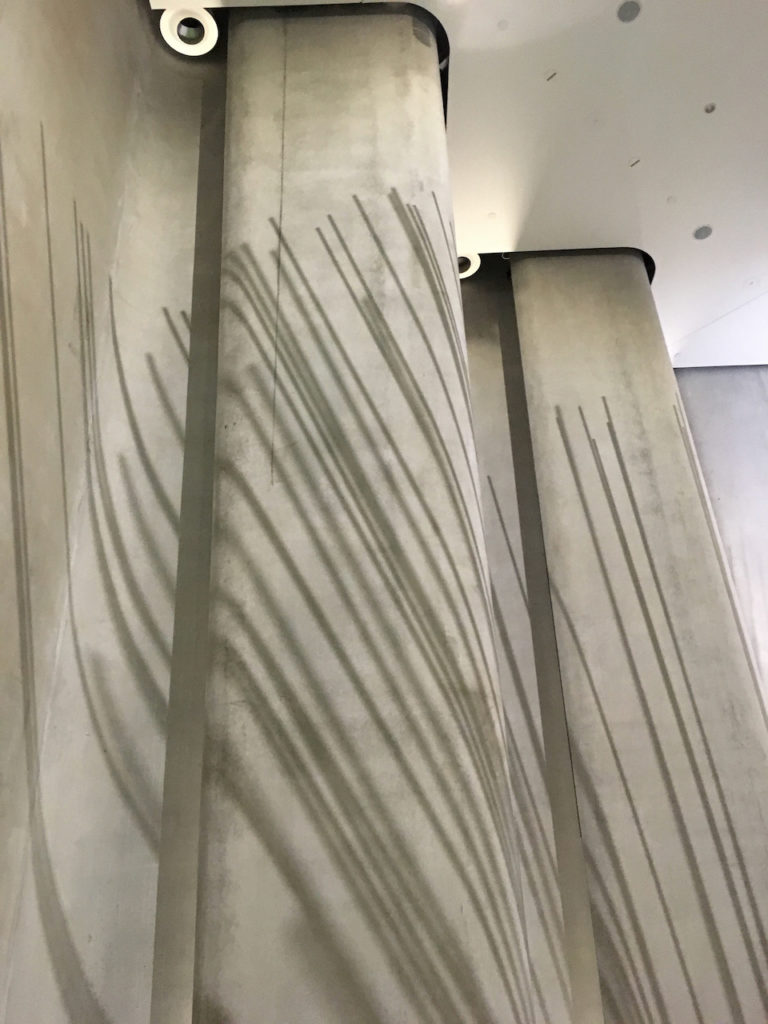
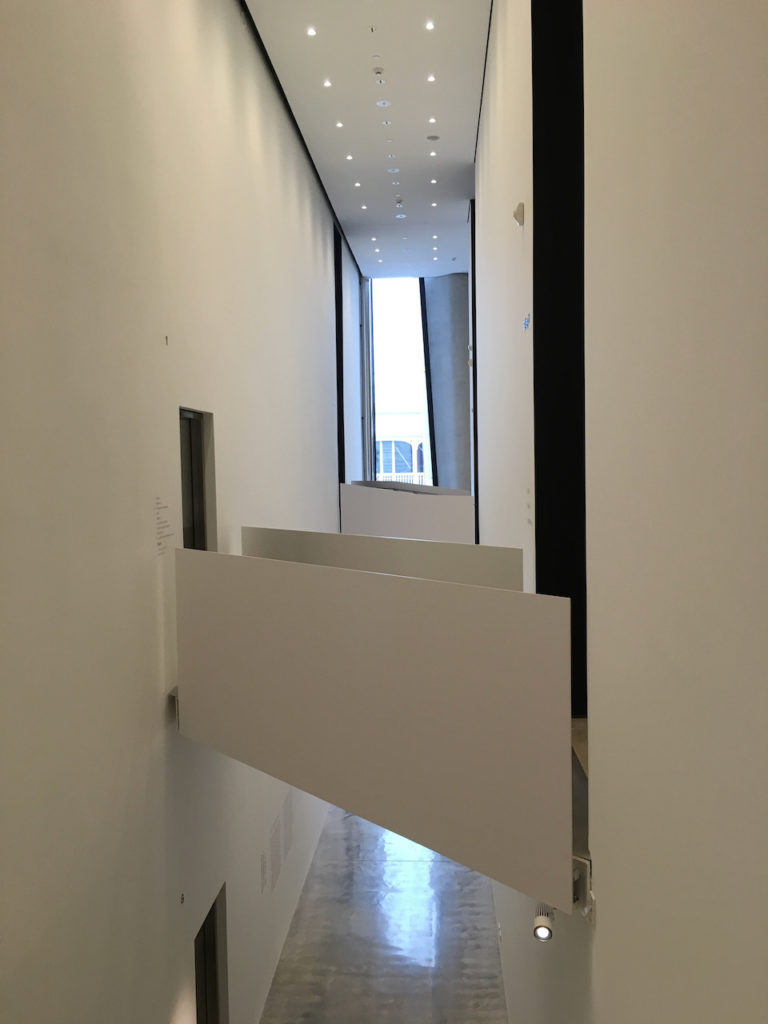
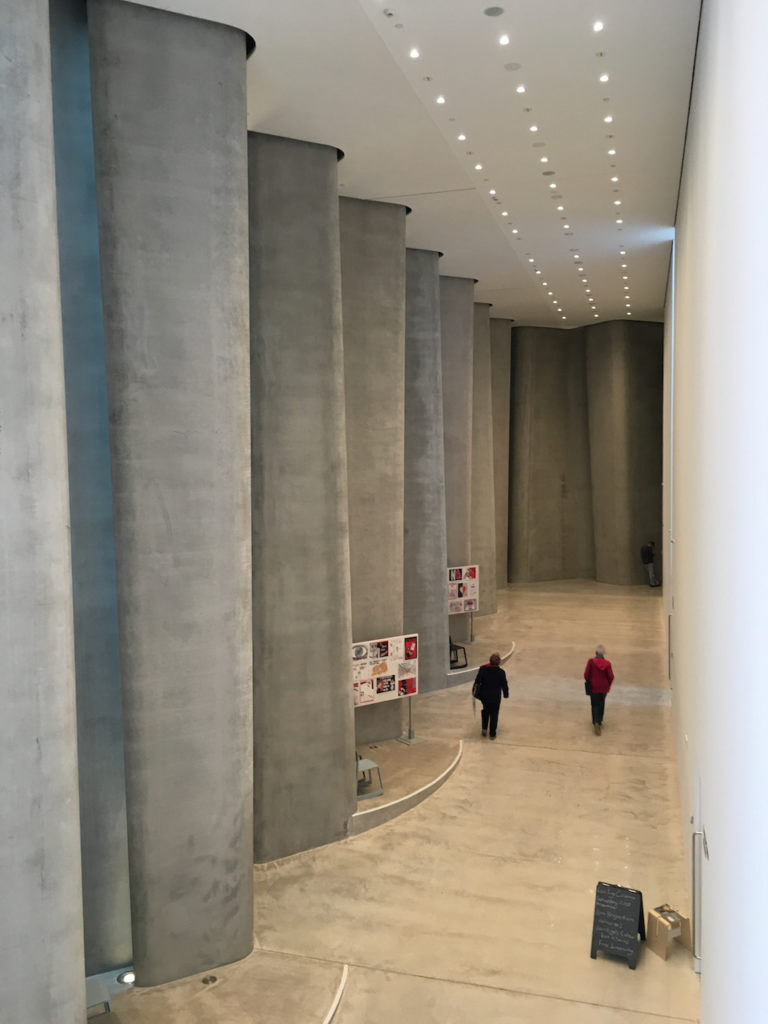
Recognising that a chance discovery presented a wonderful opportunity, the entrant has produced a highly resolved scheme that draws on impressive research and expresses a strong vision. The imaginative, credible and compelling re-use of an underground reservoir buried alongside Auckland Museum as a contemporary cabinet of curiosities is an inspired and innovative premise. With its echoes of Sir John Soane’s Museum and the cavernous realms of Piranesi’s drawings, the sophisticated project is a celebration of structure; it posits an outcome that is both poetic and tantalizingly possible.
Highly Commended
Grace Mills
Victoria University of Wellington, Faculty of Architecture and Design
Project: A New Agora
In this timely, well-researched and cleverly conceived project, an existing site in coastal Sumner, and familiar recreational activities, are used as the basis for a new type of suburban settlement. A sports field and its attendant grandstands are turned into a model of more intensive and more interesting habitation. The ‘new agora’ incorporates dynamic and well-planned living and working spaces, and is a vehicle for gently moving reluctant suburbanites towards a more intensive built environment. It’s a disarmingly casual and impressively creative solution.
Erica Austin, Jacky Lee, Praveen Karunasinghe, David Wong, Biran He, Alexander Haryowiseno University of Auckland School of Architecture And Planning
Project: Future Christchurch
This is an exceptionally professional treatment of a challenging situation – the reconstruction of post-earthquake Christchurch – presented in an exemplary manner. Indeed, the presentation would be the envy of many professional bodies or agencies. The rigour of the research is evident, as is the concerted effort to make sense of the findings. The whole exercise demonstrates the virtue of collaboration; the project could not have been realized to this level if it had not been a collective effort. Therefore, besides being admirable in itself, it shows the way forward for the architectural profession by highlighting the skills architects bring to complex urban problems.
Since I started this Blog I have at various times posted photos of architecture from my overseas visits. For a long time I’ve been meaning to post about New Zealand Architecture, so here goes.
Late last year I visited the upgraded Auckland Art Gallery Toi o Tāmaki. I took a few photos with my phone but never got round to posting them.
Last month, at the NZIA Annual Architecture awards the Art gallery was awarded New Zealand’s top prize in Architecture the New Zealand Architecture Medal. This recognition prompted me to finally write a post.
“The Auckland Art Gallery is a most deserving winner of the Architecture Medal,” says the convenor of the awards jury, Wellington architect Hugh Tennent. “There were high hopes for this building, and big challenges to overcome. The architects had to work with an existing heritage building and a sensitive site on the edge of Albert Park, as well provide all the spaces and amenities required by a twenty-first century art gallery.”
Originally built in 1888 (an old building by New Zealand standards) the Gallery has been restored, strengthened and extended. The detailing of the extension is amazing with the quality of craftsmanship clear to see.
As an aside, for those of you who aren’t from Auckland, while you can’t experience the building in person you can view the Gallery’s collection via Google’s recently released Art Project.
There is no doubt that Building Information Modelling (BIM) is and there are a number of initiatives happening in both New Zealand and internationally that reinforce this. However, exactly what BIM is still causing wide-spread confusion.
A recent survey by Masterspec here in New Zealand while on one hand showed a high percentage of respondents saying they use or are aware of BIM, when asked what BIM was results varied greatly! The survey is definitely worth a look for those in the NZ Building Industry.
The survey obviously presents a New Zealand view, while this article from AEC Bytes gives an update of BIM initiatives from around the world.
Lastly anyone who thinks BIM is just about software needs to read this article - Getting a BIM Rap: Why Implementations Fail, and What You Can Do About It – again from AEC Bytes. It outlines that significant organisation change is required for BIM adoption and those that don’t make fundamental changes are likely to fail with their BIM adoption. I particularly liked the story of the CEO who attended all the training sessions to help set an example. CEOs in my mind should almost be called CCM’s – constant change managers but that is a topic for another post I have been meaning to write for sometime.
As mentioned previously I as recently at the Better by Design CEO Conference. The Chairman of BBD is Jeremy Moon who is the founder of Icebreaker.
For those of you unfamiliar with Icebreaker there was recently an article in the New Zealand Herald. While not a comprehensive overview of the business it does outline much of the underlying philosophy of Icebreaker.
One quote mentioned at the BBD conference that I particularly liked was:
“Perfection is achieved, not when there is nothing more to add, but when there is nothing left to take away.”
- Antoine de Saint-Exupery
Jeremy shares this attitude in his words:
“It’s much easier to add stuff than take stuff away. Taking stuff away is discipline”
With the help of PictureTalk we recently produced a video for Graphisoft. The video talks about the design process for a new terminal at Wellington Airport dubbed The Rock
The Project - The Rock, Wellington Airport
Winner, Transportation category, Inside World Festival of Interiors 2011
Finalist, Serve & Facilitate category, The Great Indoors Award 2011
Winner, RMB Commercial Project of the Year, Registered Master Builders Awards 2011
A challenging brief with a double ambition meant that the redevelopment of the Wellington International Airport Passenger Terminal, completed in 2010 in association with Warren and Mahoney Architects, required a unique and innovative design.
The first task was to meet a set of complex technical specifications and optimise the available pocket building site, heavily constrained by aircraft choreography. In conjunction with external apron works, the project involved the expansion of interior open lounge floor area, new retailing, linkages from the new passenger processing area and an increase to eight aerobridge-capable gates.
As the gateway to Wellington for international passengers, the brief also demanded that the building offer a memorable visitor experience through a unique, edgy aesthetic that embodied a strong sense of place.
The oscillating outline of the new building was derived from the curved indentations of aeroplane docks into the confined triangular site. The organic irregularity of this outline dovetailed with the concept of the building as a crusty, enigmatic rock embedded in the runway – a gesture to the land’s geological past, recalling its kinship with the craggy, sea-battered Wellington coast. A radical departure from contemporary airports worldwide, preoccupied with the imagery of lightness and flight, the Rock terminal instead evokes the anchoring qualities of the land that rises to meet planes as they touch down and the coast that recedes away from them as they depart. Its copper finish is a mirror for Wellington’s swift transitions from grey sky to gold sunlight, as well as providing unparalleled durability in a corrosive environment of sea air and aircraft fuel gases.
In contrast to the bland, mall-like interiors that typify most international airports, the interior of the Rock exudes warmth and resounds with personality. Honey-coloured macrocarpa ply softens theatrical strata of dark-stained panels fissured with light. Spaces unfold on varying levels and exploration is welcomed, with journeys through the interior gently modulated by a series of ramps. Travellers are able to enjoy interior areas that are engaging and restful, impressive and intimate.
Client: Wellington International Airport Ltd.
The Company– Studio Pacific Architecture
Studio Pacific undertake a large range of projects, from small individual furniture items to large projects involving entire new towns. The small scale work includes new houses, additions and alterations, and retail work. The larger schemes include large multi-unit residential and commercial buildings as well as masterplans and landscaping.
Studio Pacific was established in Wellington in 1992 by the three directors: Nicholas Barratt-Boyes, B. Arch, ANZIA, RIBA; Stephen McDougall, B.B.Sc, B.Arch, FNZIA; and Evzen Novak, B. Arch (Hons), ANZIA, RIBA. Prior to establishing the Studio, all three directors studied and/or worked together in New Zealand before working for a period in Europe: Evzen studied in Berlin and worked in Switzerland and London, while Nick and Stephen were based in London and worked on projects throughout the U.K. and Europe.
The collective international experience gained by the directors in Europe set the platform and influenced the direction of the practice. From early design competitions and small residential commissions Studio Pacific has evolved into an award-winning substantial and creative practice with diverse projects throughout New Zealand. Particular recognition has been given to the studio for working with the arts, urban regeneration, housing, masterplanning and contemporary workspace planning.
Marcellus Lilley – Associate, Lead Project Architect for The Rock
B.B.Sc, B.Arch, ARB (UK), ANZIA
Marcellus Lilley joined Studio Pacific in 2003 and has been an Associate since 2005. Marcellus has a Bachelor of Building Science and a Bachelor of Architecture from Victoria University of Wellington, and has completed post-graduate study at Westminster University, London en-route to becoming a registered architect in the United Kingdom. He is also a New Zealand registered architect.
Marcellus has broad experience in urban renewal, mixed-use and multi-unit residential projects during five years of working in London, and before that, education and residential projects in the Hawkes Bay. Since joining Studio Pacific, Marcellus has been lead Project Architect on the MOTAT Aviation Display Hall project, the Wellington International Airport Terminal Development Project (Stage 01 and Stage 02) in addition to various smaller commercial and civic projects and competition work such as the Royal Society of New Zealand Campus.
Marcellus also co-ordinates the Studio systems group (SPARK) that monitors and develops the Quality Management System utilised by the Studio.
He has travelled extensively and maintains a keen interest in design and the delivery of projects through the role of Project Architect.
Karl Frost – Senior Technician
Karl graduated with a Bachelor of Building Science degree with Honours from Victoria University in Wellington in 1990. He started in the building industry with Jasmax, working on the Te Papa Tongarewa Museum of New Zealand project in the Auckland office for 2 years and then on-site in Wellington for 2 more years. This was followed by a brief stint overseas before he returned to Wellington in 1999 and joined Studio Pacific Architecture. Since then he has worked on a wide range of urban and commercial projects.
Karl is one of Studio Pacific’s most experienced CAD users, skilled in both modelling and documentation. He has worked as a team member on a number of commercial projects as a CAD leader and technician. His experience is invaluable for coordinating CAD information between Studio Pacific and other consultants.
There has been a lot of discussion over the last while about the need for New Zealand companies to focus on developing better boards. These discussion are as varied as talking about the importance of a formal Board of Directors for SMEs through to creating diversity on the boards of New Zealand’s publicly listed companies.
SpringBoard NZ is an organization that was set up to encourage younger people to take up board positions and to encourage companies to appoint younger directors.
SpringBoard has now led to a new website that is focused on Appointing Better Boards and to keep it really obvious that is what the website url is - http://www.appointbetterboards.co.nz/
On the subject of diversity the NZX have recently released a consultation document. Not overly surprising is the submission being made by SpringBoard is that diversity of age is as important as other forms of diversity.
For those of you interested in governance I strongly recommend looking at both SpringBoard and Appoint Better Boards – if you are interested in roles or have a board opening make sure to sign up.
While the house didn’t win home of the year, this is wonderful recognition for a group of students yet to complete their studies and enter the work force.
Today I was at the first day of the Better by Design CEO Summit.
Better by Design’s sole purpose is to help New Zealand businesses succeed. Our programmes are built on the principle that design strategies and processes can be applied to businesses to improve the bottom line.
Better by Design is a specialist group within New Zealand Trade and Enterprise, New Zealand’s national economic development agency.
I was fortunate to sit next to Lance (Wiggs) and very fortunate that they way he ‘listens and absorbs’ the information is to type it up and blog about it.
The day was varied but generally of an extremely high standard and was very thought provoking. At the end of the day we had little group sessions where we shared with the group what we took away from the day, I found this a very good way to solidify about 2 key points that I expect will have an impact on our business in the short-term.
I am looking forward to another great day tomorrow.
Last year I attended Xero Con 2011 – New Zealand’s largest accounting conference run by Xero. While spending a day in a room full of accountants may not sound like your cup of tea the presentations last year where great – and not all to do with accounting.
Tomorrow is Xero Con 2012 which this year I’m not attending – instead I attended their Developer Session today to get an update on what is going on behind the scenes and a roadmap for 2012. The room we were in was full with probably 100 developers who connect with Xero. This is an often unseen benefit of the Xero Ecosystem.
In light of the big conference tomorrow Rod and the team have made some big announcements over the last week including a revenue update.
Over the last year or so Xero has certainly polarized the New Zealand investment community after they abandoned the strategy of reaching profit in the short-term and instead decided it was better to focus on growth.
Since then every article published on the NBR has drawn interesting comments – to the point where today, when Xero announced a further $20 million investment, there was even some prodding taking place to get things started.
While I can understand that investors would like to see profit and a return, those who are unhappy with the current strategy can probably make a return by selling their shares which have remained at the top end of their trading range – and increased again today on the back of the announcement. I would also suggest people need to take a wider view and not judge a book by its cover, or by simply what they read.
Listening to the team today there is no doubt they work hard on both developing and executing their strategy. The numbers that Xero are reporting are continuing to grow (rapidly) which indicates they are on the right path.
The other thing that many people may not see from the outside but was on show today was the eco system I mentioned earlier. There are many other New Zealand entrepreneurs that are building web applications that integrate with Xero and are able to take advantage of this partnership. Some like Vend are seeing success even though they are still very much a startup. Others are more grown up like Workflow Max that was acquired by Xero today.
While these other businesses don’t necessarily provide a return to Xero shareholders they are in general very good for the New Zealand economy. Xero is not in this game just for themselves and very much take the approach of wanting to lift all boats. While today was predominantly about Xero development there were aspects of the talks aimed at helping people in the room with their own business. This is a great culture to create in a business.
Another way of Xero – or more specifically Rod – likes to give back is through his Accelerate Conference which I am very much looking forward to.
Disclaimer: I am both a shareholder in Xero and one of their original beta customers and now run 10 organisations in Xero.
For anyone interested in the state of play in the New Zealand start-up scene, or anyone who likes to read what has worked or not worked when building a business check out Rowan Simpson’s Founder Centric Startups Series.
The series is an amazing piece of work and all credit has to go to Rowan and the contributors for making this happen.
The stories are all good and certainly shows there is no script when it comes to creating / running a startup. What works for one doesn’t necessarily apply to another.
My perspective has always been to read and research material like this and take out what I think may work for my businesses. Sometimes we succeed, sometimes we make mistakes, but the most important thing is we review and we learn.